n today’s digital-first world, businesses rely heavily on their online presence to attract, engage, and convert customers. Among the many strategies used in digital marketing, Search Engine Optimization (SEO) stands out as one of the most powerful and cost-effective tools. SEO plays a crucial role in ensuring a brand’s visibility, credibility, and long-term growth. This article explores the major uses of SEO in digital marketing and explains why every business — big or small — must invest in it.
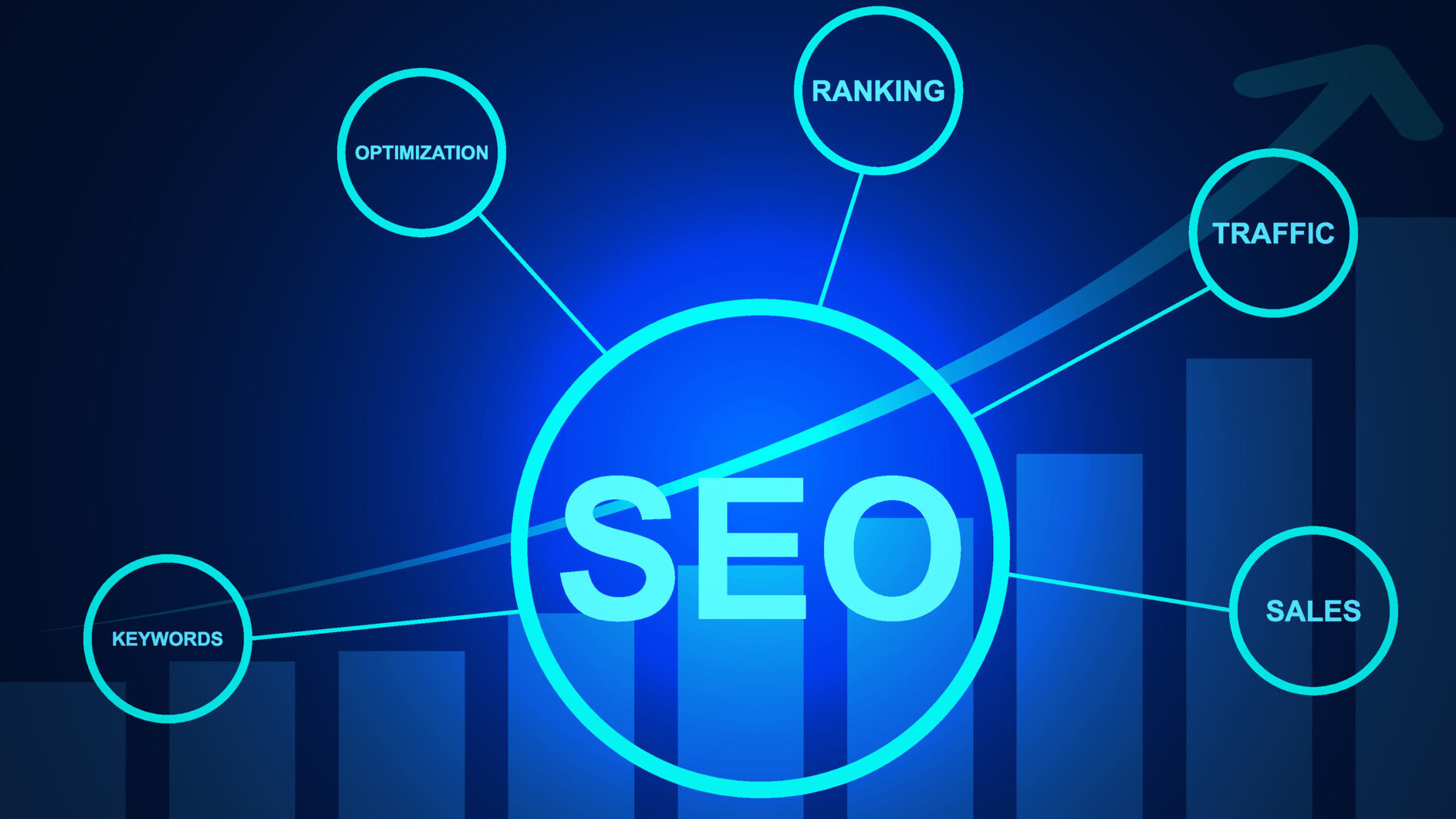
1. Boosts Online Visibility and Organic Traffic
One of the primary uses of SEO in digital marketing is to improve a website’s visibility on search engines like Google. When users search for products or services, they usually click on links that appear on the first page of results.
SEO helps websites:
- Rank higher for relevant keywords
- Appear in organic search results
- Attract more visitors without paying for ads
Higher visibility equals more website traffic, which leads to more leads, sales, and growth.
2. Builds Trust, Credibility, and Brand Authority
Users tend to trust websites that appear at the top of search results. SEO helps build this trust by focusing on:
- High-quality content
- Strong backlinks
- Technical performance
- User-friendly experience
A well-optimized website looks more professional and trustworthy, which encourages users to choose your brand over competitors.
3. Improves User Experience (UX)
Modern SEO is not just about ranking; it’s also about improving how users interact with your site. Google rewards websites that provide a great user experience. SEO focuses on:
- Fast loading speed
- Mobile-friendly design
- Easy navigation
- Clear structure and layout
A good UX not only improves rankings but also keeps visitors on your site longer and increases the chances of conversion.
4. Helps Target the Right Audience
SEO helps digital marketers reach people who are already searching for their products or services. By researching keywords and understanding search intent, businesses can create content that:
- Matches what users are looking for
- Attracts high-quality leads
- Improves overall conversion rates
Unlike traditional advertising, SEO connects you with customers who already have interest, making it more effective.
5. Supports and Strengthens Content Marketing
Content is the backbone of digital marketing, and SEO helps make it discoverable. When combined, content and SEO create a powerful strategy.
SEO supports content marketing by:
- Helping identify trending keywords
- Guiding content structure
- Increasing visibility of blogs, articles, videos, and infographics
On the other hand, fresh, relevant content strengthens SEO rankings. Together, they form a cycle that continually boosts performance.
6. Enhances Local Search Presence
For businesses targeting local customers — such as restaurants, salons, doctors, and stores — Local SEO is essential. It helps businesses appear in:
- Google Maps
- Local listings
- “Near me” searches
Local SEO increases foot traffic, builds local brand awareness, and helps small businesses compete with larger brands.
7. Cost-Effective Marketing Strategy
SEO is one of the most cost-effective digital marketing strategies. Unlike paid advertising, which stops bringing results once you stop spending, SEO continues to deliver long-term benefits.
Once your website ranks well:
- You get continuous organic traffic
- You don’t need to pay for each click
- Long-term ROI is higher compared to ads
Although SEO requires time and effort, its long-term advantages make it highly valuable.
8. Provides Valuable Insights and Customer Data
SEO tools like Google Analytics, Search Console, and keyword research platforms provide critical insights, such as:
- What users are searching for
- How they behave on your website
- Which pages perform best
- Which marketing campaigns are working
These insights help refine overall marketing strategies and understand customer interests more clearly.
9. Integrates With Other Digital Marketing Strategies
SEO doesn’t work alone; it supports and improves other digital marketing channels:
- PPC (Pay-Per-Click): improves landing page quality and reduces ad costs
- Social Media Marketing: boosts brand search volume through social engagement
- Content marketing: improves content reach and effectiveness
- Email marketing: drives traffic to optimized landing pages
When all digital strategies align with SEO, the overall online presence becomes much stronger.
10. Helps Gain Competitive Advantage
In a competitive digital marketplace, being visible is essential. If your competitors are investing in SEO and you are not, you will lose potential customers. By optimizing your site for search engines:
- You can outrank competitors
- Capture more market share
- Establish yourself as an industry leader
SEO helps companies stay ahead in the competition by continuously adapting to trends, algorithms, and user behavior.
11. Supports Long-Term Business Growth
The true power of SEO lies in its long-term impact. Consistent optimization leads to:
- Sustainable organic traffic
- Strong brand image
- Loyal customer base
- Higher return on investment
In the long run, SEO becomes a major source of leads, sales, and business stability.
Conclusion
SEO is not just a technical strategy; it’s a fundamental part of digital marketing. Its uses — from boosting visibility and improving user experience to enhancing credibility and driving high-quality traffic — make it indispensable for businesses today. As the digital landscape continues to evolve, companies that invest in SEO will continue to grow and stay ahead of the competition.